
What Is a Butter Mom? TikTok Parenting Trend Explained
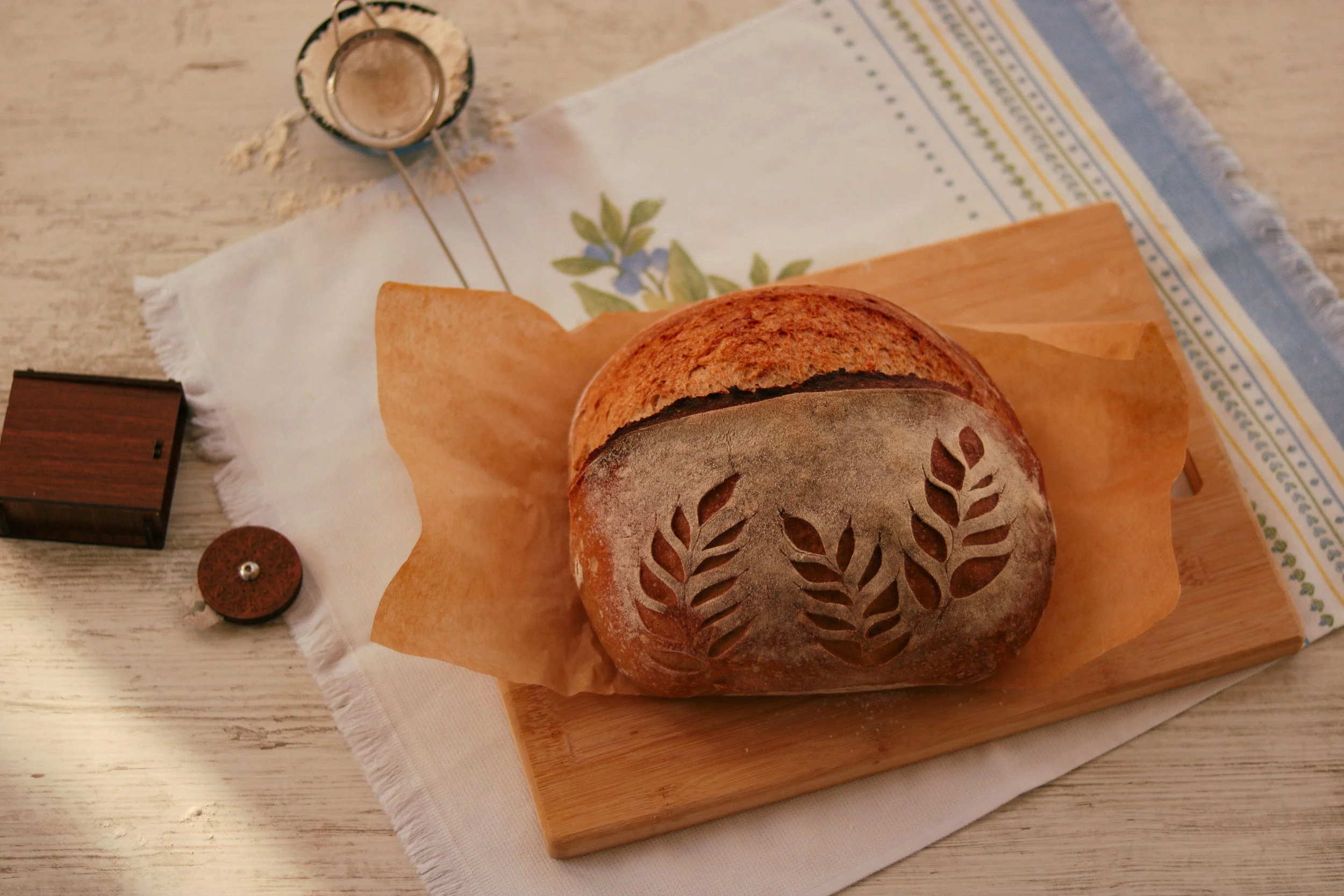
The Butter Mom trend is a parenting and motherhood trend gaining attention on TikTok and Instagram. Inspired partly by 1990s family life, it celebrates a slower, more relaxed approach to parenting, including home-cooked meals, outdoor play, fewer screens, less pressure around food, family traditions, and a rejection of picture-perfect motherhood.
Okay, I’ll admit it, I took a shortcut. While I am on TikTok, Instagram, and even Pinterest, I rarely go there simply to scroll. For me, showing up on these platforms has really been a step of obedience. So I asked ChatGPT, “Is there a parenting trend I need to know about?”
Yes, the name sounds a little strange at first. Are we talking about a Breakfast mom?
Is it about cooking with butter? Is it another parenting method? Is it a fashion trend?
A little bit of all of that, but also something deeper.
I am with you learning about this trend, so what is it really? The Butter Mom trend has become a nostalgic picture of motherhood inspired largely by family life in the 1990s. Think homemade food, children playing outside, denim overalls, slightly messy kitchens, family dinners, fewer screens, less obsession with perfection, and a much more relaxed approach to everyday family life.
It has been described as a reaction to the highly controlled, optimized, and often performative version of motherhood that social media has helped create. Recent coverage has connected the trend with 1990s nostalgia, relaxed family rhythms, simple homemade food, and a less restrictive attitude toward eating.
And perhaps the reason it is resonating with so many mothers is not really about butter at all.
Maybe families are simply tired.
What Is a Butter Mom?
There is no official Butter Mom parenting philosophy.
There is no book to follow, no list of rules, and no certification that makes somebody a Butter Mom.
It is primarily an internet trend and cultural aesthetic.
The Butter Mom is often portrayed as warm, relaxed, nurturing, practical, and slightly nostalgic.
She cooks real food.
She is not frightened of butter, bread, dessert, or children enjoying food.
Her house may be beautiful, but it is lived in.
Her children get dirty.
They spend time outside.
Family life is not organized around creating perfect content.
There is room for spontaneous afternoons, simple meals, baking together, picnics, music playing in the kitchen, hand-me-down clothes, family traditions, and ordinary life.
In many versions of the trend, the Butter Mom is also presented as the opposite of the so-called Almond Mom, an internet term associated with restrictive attitudes toward food and diet culture. The Butter Mom represents abundance, enjoyment, hospitality, and a more relaxed relationship with food.
But the trend has grown beyond food.
It is becoming a picture of the kind of childhood many parents suddenly realize they want their children to experience and what I am realizing it’s the childhood I have, so another recycled trend.
Why Is the Butter Mom Trend Becoming Popular?
This is where I think things get interesting.
Every generation of parents reacts in some way to the generation before it.
But today's parents are also raising children in circumstances previous generations never experienced.
We carry the internet in our pockets.
Our children can be entertained every waking moment.
Our homes can be compared with thousands of other homes before breakfast.
Mothers can compare their bodies, meals, routines, children's development, birthday parties, clothes, vacations, discipline methods, school choices, and parenting styles with strangers around the world.
Everything can be optimized.
Everything can be documented.
Everything can become content.
So, exhausting!
And somewhere along the way, parenting can start feeling like a performance.
The Butter Mom trend seems to be pushing against that.
It says:
Maybe dinner doesn't need to be perfect.
Maybe childhood does not need to be scheduled every minute.
Maybe the house can look like children actually live there.
Maybe we don't need to fear every ingredient.
Maybe our children need more time outside and less time staring at screens.
Maybe being together matters more than making everything impressive.
Maybe our children not only have to wear greige, but can wear colorful clothes.
No wonder parents are listening.
What the Butter Mom Trend Gets Right
There are things about this trend that I believe families desperately need to recover.
1. Children Need Presence More Than Performance
Your children do not need an Instagram-worthy childhood.
They need you.
They need eye contact.
Conversation.
Laughter.
Listening.
Comfort.
Correction.
Time.
They need ordinary Tuesdays with you far more than they need spectacular experiences every weekend.
One of the dangers of modern parenting is that we can spend enormous amounts of energy creating a wonderful childhood while becoming too distracted to actually experience it with our children.
Something is refreshing about a movement saying, in effect, just come home and be together, without making another picture for Instagram or post another reel about it.
2. The Family Table Still Matters
The Butter Mom aesthetic frequently revolves around food, kitchens, baking, and eating together.
That may look nostalgic for this generation, but there is something profoundly important underneath it.
The table has always been one of the great gathering places of family life and cooking, and baking is so therapeutic.
It is where stories are told.
Questions are asked.
Values are passed down.
People laugh.
Arguments happen.
Forgiveness happens.
Birthdays are celebrated.
Guests are welcomed.
Children learn that they belong somewhere.
For Christian families, the table can also become a place of gratitude, prayer, hospitality, conversation about God, and discipleship.
You do not need gourmet meals.
The ministry happening around the table matters far more than what is actually on the plates; yes this is ministry too!
3. Children Need a Childhood That Is Not Entirely Digital
There is something almost startling about seeing people romanticize children riding bicycles, running barefoot, baking with Mom, playing in the garden, reading books, and being bored.
Those things used to simply be called childhood, I was raised like this, maybe some of you reading this too.
We should pay attention to the fact that they now feel nostalgic.
Children need opportunities to create rather than constantly consume.
They need boredom.
They need movement.
They need dirt.
They need imagination.
They need conversations that are not interrupted every thirty seconds by another notification.
Technology is here to stay, and pretending otherwise will not help our children.
But technology should serve the family.
The family should never become the servant of technology.
4. Food Should Not Be Filled With Fear and Shame
Another positive aspect of the Butter Mom conversation is its rejection of making children afraid of food.
Parents absolutely have a responsibility to nourish their children wisely.
Healthy choices matter.
Nutrition matters.
Self-control matters.
But there is a difference between teaching wisdom and creating fear.
Food does not need to become a constant source of anxiety, guilt, control, or shame.
A child should be able to enjoy Grandma's cake without believing they have done something morally wrong.
There is something beautiful about children growing up around a table where food is received with gratitude rather than fear.
“So whether you eat or drink or whatever you do, do it all for the glory of God.”
1 Corinthians 10:31
But There Is Also a Problem With the Butter Mom Trend
Here is where we need some discernment.
The internet is very good at turning a reaction against one form of perfection into another form of perfection.
Yesterday you needed the spotless beige house.
Today perhaps you need sourdough bread, a vintage kitchen, linen dresses, wooden toys, chickens in the garden, and children who somehow never ask for an iPad.
It is still performance if we are simply performing a different aesthetic.
A mother can become just as exhausted trying to create the perfect slow childhood as she was trying to create the perfect modern one.
And the 1990s were not perfect either.
We should be careful not to romanticize another generation so much that we forget its struggles.
Our goal is not to recreate 1994.
Our goal is to raise our children faithfully now.
Slow Parenting Does Not Mean Passive Parenting
There is another distinction worth making.
A relaxed home should not mean an unled home.
Children still need boundaries.
They need parents willing to say no.
They need correction.
They need responsibility.
They need chores.
They need to learn patience.
They need to understand that the entire family does not revolve around their feelings.
They need adults who are loving enough to lead them.
Peaceful parenting is not passive parenting.
A peaceful home is not a home where nobody ever disagrees.
Sometimes creating peace requires confronting disrespect.
Sometimes love requires a boundary.
Sometimes discipleship requires an uncomfortable conversation.
A lot of times, good parenting means your child is temporarily unhappy with your decision.
That is not failure.
Parenting is not about keeping children happy every moment.
It is about preparing them for life.
What Christian Parents Can Learn From the Butter Mom Trend
As Christians, we should be careful about building our families around trends.
Trends come and go.
God's Word does not.
There is nothing wrong with being inspired by something beautiful you see online.
Bake the bread.
Plant the garden.
Eat together.
Take the children outside.
Invite people into your home.
Slow down.
Those are all wonderful things.
But none of them can become the foundation of your family.
A beautiful kitchen cannot produce peace.
A screen-free childhood cannot save your child's heart.
Homemade food cannot create spiritual identity.
A perfectly slow family rhythm cannot replace discipleship.
Our children ultimately need something much deeper.
They need Jesus.
They need parents who know Him.
Parents who repent when they get it wrong.
Parents who forgive.
Parents who pray.
Parents who live what they say they believe.
Parents who teach God's Word not only on Sundays, but around the breakfast table, in the car, before bed, during conflict, while making decisions, and throughout ordinary life.
Deuteronomy 6 gives us this beautiful picture:
“Talk about them when you sit at home and when you walk along the road, when you lie down and when you get up.”
Deuteronomy 6:7
That sounds remarkably ordinary.
God designed discipleship to happen right in the middle of family life.
Maybe We Are Craving Something We Lost
Perhaps the Butter Mom trend is touching such a nerve because parents recognize something in it.
Not necessarily butter.
Not necessarily the 1990s.
But home.
A place where life slows down.
A place where you belong.
A place where someone knows your story.
A place where dinner is waiting.
A place where people put their screens down and look at one another.
A place where children can still be children.
A place where imperfection is allowed.
A place where forgiveness happens.
A place where faith is lived, not merely talked about.
And maybe that is worth recovering.
Don't Build a Butter Mom Family. Build Your Family.
We do not need another label telling mothers what they are supposed to become.
You do not need to become a Butter Mom.
You do not need the clothes.
You do not need the kitchen.
You do not need the aesthetic.
You do not even need the butter, eventhough it’s delicious.
What your children need is something far more valuable.
A mother and father who are willing to be present.
A home with clear values.
Boundaries that create security.
Traditions that create belonging.
Meals that bring people together.
Grace when somebody fails.
Forgiveness when somebody hurts another.
Room for laughter.
Room for mistakes.
Room for people.
And above everything else, a family learning to follow Jesus together.
So perhaps we should ask:
What has modern family life caused us to lose that God may be asking us to recover?
Because the answer is not going backward.
It is taking what was good, leaving behind what was not, and intentionally building families that are strong enough for the world our children are growing up in.
Trends will change.
Algorithms will change.
Culture will change.
But the calling to faithfully love, lead, teach, disciple, and prepare our children remains.
And that will never go out of style.
Frequently Asked Questions About the Butter Mom Trend
-
A Butter Mom is a social media term used to describe a more relaxed, nostalgic approach to motherhood and family life. It often includes home cooked meals, children spending more time outside, fewer screens, a less restrictive attitude toward food, and a greater emphasis on simple family rhythms and presence.
-
The name reflects the contrast with the so called Almond Mom trend, which became associated with restrictive eating, dieting, and food anxiety. Butter Mom represents a warmer and more relaxed attitude toward food, family meals, and everyday home life.
-
No. Butter Mom is not an official parenting method or structured philosophy. It is primarily a social media trend and aesthetic that reflects a desire for slower, simpler, and less perfection driven family life.
-
Some aspects can be very healthy, especially prioritizing connection, family meals, outdoor play, less food anxiety, and a slower pace of life. However, any trend can become unhealthy if parents begin chasing another idealized image of motherhood instead of focusing on what their own family truly needs.
-
Christian parents can appreciate the desire for presence, hospitality, family meals, simplicity, and intentional family life. But our foundation should never be a social media trend. Our parenting should be rooted in Scripture, prayer, discipleship, wisdom, boundaries, forgiveness, and keeping Jesus at the center of our home.
-
No. Your children do not need you to fit another label. They need you to be present, consistent, loving, willing to lead, willing to apologize, willing to set boundaries, and willing to faithfully disciple them.
👉 Want weekly parenting encouragement?
Parenting isn’t meant to be done alone. Let us walk with you—offering encouragement, fresh ideas, and a reminder that hope is always possible.
✉️ Yes, send me encouragement